Beyond a Single Tree
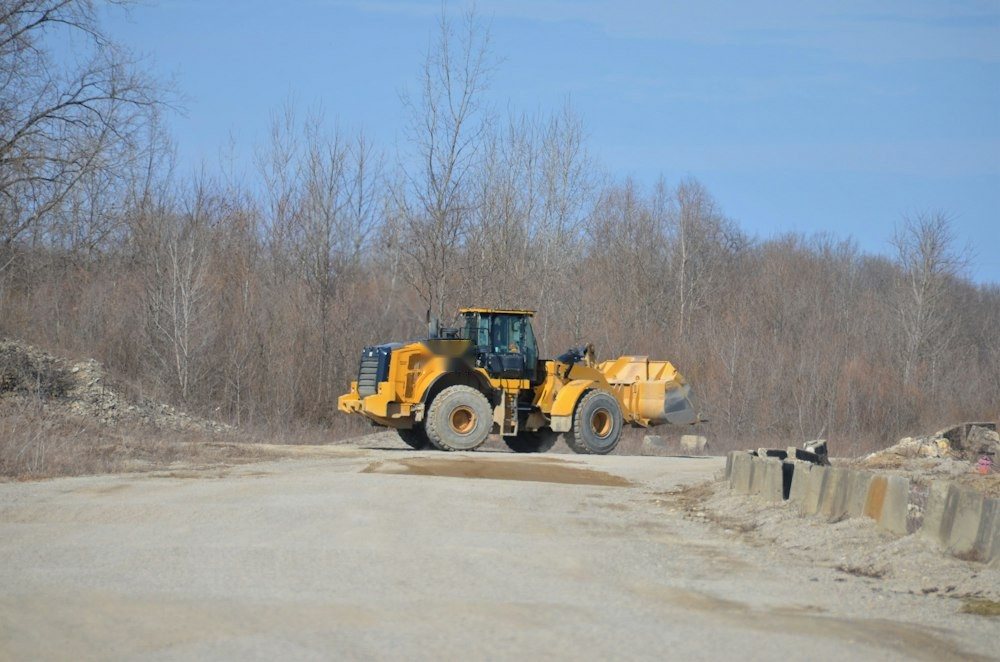
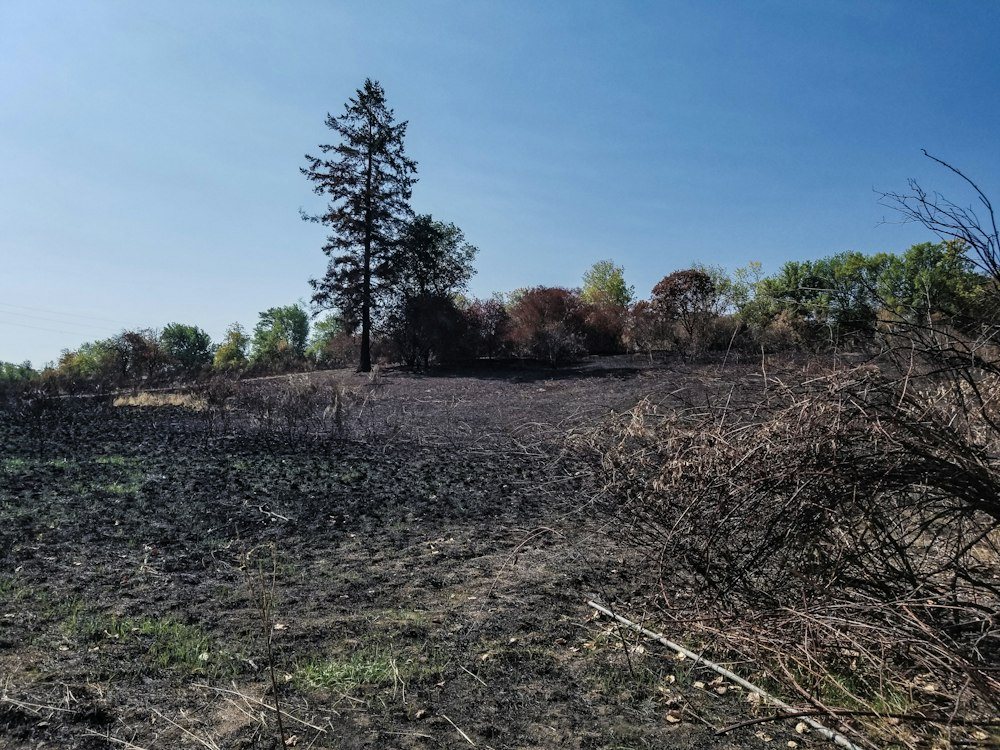
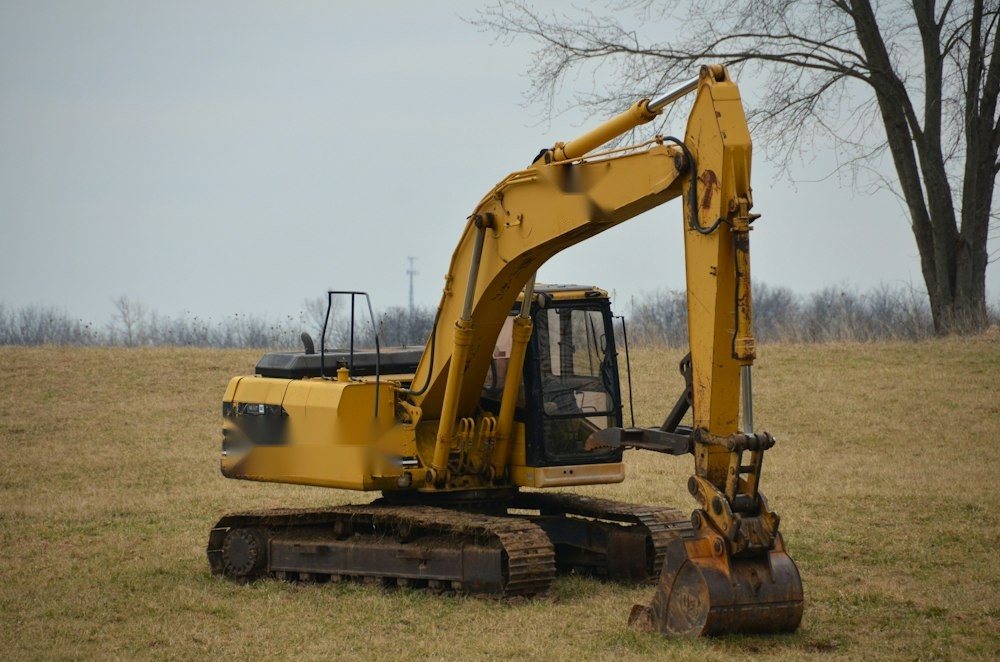
Brush, volunteer honeylocust, dead hedgerows, fence lines and wooded lots cleared, with the debris handled the way Illinois, the City and your fire protection district allow.
What Makes This Different
Clearing your own ground in Lincoln, Illinois needs no tree permit; the code only claims trees on public property, in the parkway (§ 8-8-4). The real questions are which trees stay and where the cut material goes. Around Logan County the work takes a few shapes:
The debris plan is where estimates part ways, and it changes at the city limits. We bring a skid steer with a mulching head, a grapple and the chipper, and treat the white oaks and walnuts you keep like any yard removal.
Where We Work
We clear land anywhere we remove trees, from farm ground around Cornland, Burton View and Lake Fork to the Salt Creek bottoms from Middletown to Latham and the Kickapoo Creek timber. See all the areas we serve →
Osage orange planted as living fence before wire was cheap is now forty-foot trees with thorns and roots to match. Brett grew up on a farm outside Mount Pulaski and knows how a hedgerow comes out and where the drain tile runs. Unlike a dozer, we can take one row, keep the next, and leave the walnut standing.
Brush, saplings and dead ash cleared ahead of a house, shed, pool, drive or fence, cut to the footprint and not a foot wider. Big trees inside it are priced one by one, stumps ground on the same trip, and we tell you which keepers will survive the grading.
Bottomland along Salt Creek, Kickapoo Creek or Sugar Creek gone to cottonwood and willow, a dead windbreak in the yard, or a lot where one storm, like the June 2023 derecho or the April 2024 Latham EF1, dropped many trees. One mulcher-and-grapple pass beats working tree by tree, timed for dry or frozen ground.
Cost Planning
| Job size | Typical cost range |
|---|---|
| Light brush (per acre) | $1,500–$3,500 |
| Wooded (per acre) | $3,500–$8,000+ |
| Single lot under ½ acre | $1,200–$4,000 |
Ranges are typical for central Illinois based on published industry cost guides; your written estimate reflects your specific tree and site.
Density sets the price: an acre of waist-high brush is a different job from an acre of old hedgerow with 60-foot cottonwood in it. Wet ground slows machines. Mulching in place usually costs least, full haul-off costs most, and burning depends on the city schedule or your fire district.
A forestry mulcher beats hand-clearing through mulberry and brush and leaves a cleaner grade; the chipper and grapple take a four-foot cottonwood trunk or a walnut log worth saving. Keepers get proper rigging from a licensed and insured crew.
Inside Lincoln, landscape waste may burn only on Tuesdays, Thursdays and Saturdays in posted hours, 50 feet from any structure, fence or pole with a hose on hand (§ 5-3-6); fines run $100 up to $500. Clearing outruns that, so in town we chip and haul or use the free City site, cut under 12 feet and stripped (§ 7-13-7). Outside town, Illinois EPA rules and your fire district decide.
Mulch it, haul it, burn it where allowed, or keep the firewood. Oak, hickory, walnut and honeylocust suit a farmhouse stove, and Osage orange burns hotter than anything in the county. We never bury debris or leave cut trees in the brush.
Mulberry, box elder, honeylocust and hedge sprouts come back fast, cottonwood suckers behind them. Clearing without mowing, seeding or grading gets paid for twice, so we plan all three with you and can grind stumps so the ground mows clean.
Not for the trees. Lincoln's only tree rule is the Street Superintendent's consent for trees on public property (§ 8-8-4). The City regulates the aftermath instead: burn days and distances (§ 5-3-6) and the landscape-waste site's size rules (§ 7-13-7). Outside town, Illinois EPA rules and your fire protection district apply. See our permits guide.
Either one. Mulching in place is usually cheaper; hauling costs more but leaves bare, clean ground. In Lincoln we plan on one of those, since three burn days a week cannot keep up. On county farm ground a burn pile is a third choice once the fire district agrees and no burn ban is on.
A removal is priced tree by tree. Clearing goes by area and density: how much ground, how thick, and how big the trees in it are. Debris and stump grinding get their own lines, and a parcel under half an acre is priced as one lot.
Get a free, on-site estimate for the whole area, with the debris plan and the burn-day question worked out up front.
Type a town or a ZIP like 62656 and see whether our Lincoln crew comes your way.